
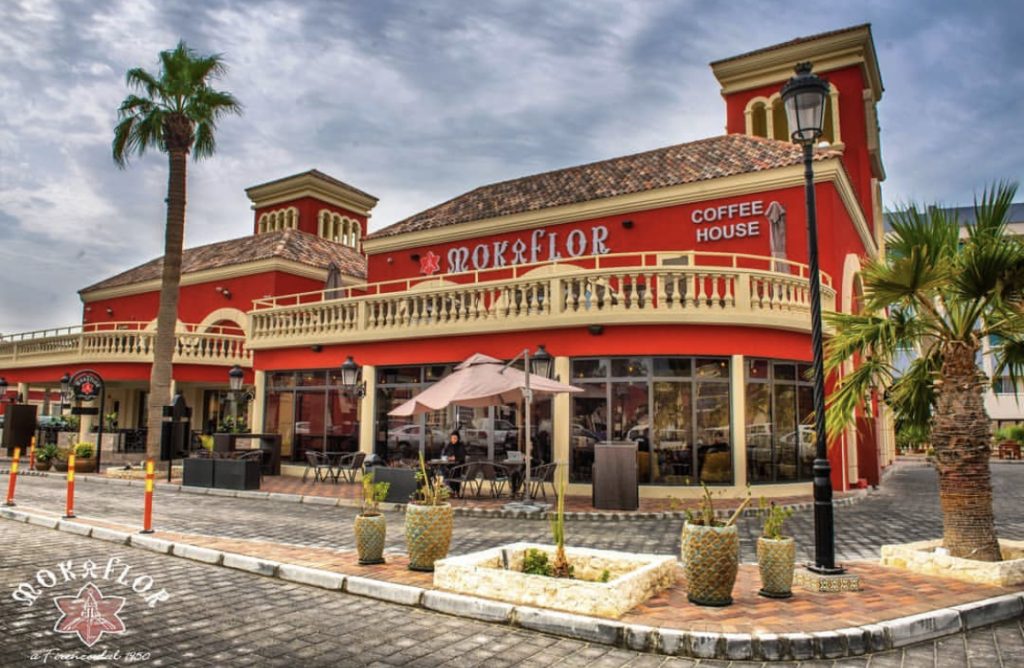
In 2017, at a trade fair in Dubai, a conversation started with a simple but ambitious idea: building something more than a coffee shop.
Today, that project is a 300 sqm concept store in Manama, Bahrain.
Not just a place where coffee is served, not just a beautiful coffee shop, but a complete coffee identity.
The project was built around a clear vision: creating a premium coffee experience that could stand out in one of the most competitive hospitality markets, while remaining accessible, consistent and recognizable for customers.
This is where the real difference begins.
Because coffee alone does not differentiate a business: the way a business uses coffee does.
From product supply to coffee identity
For the Manama project, the goal was never simply to choose a coffee blend and deliver it.
The goal was to build a system.
That meant selecting the right coffees, defining the customer experience, supporting the team through training and creating a coffee offer aligned with the positioning of the concept store.
In a project like this, coffee becomes more than a product.
It influences how the customer perceives the place, how the barista tells the story, how consistent the experience feels and how clearly the business can position itself in the market.
This is the difference between a coffee supplier and a coffee partner.
A supplier delivers coffee, a partner helps you build your identity.
Why this matters today
The Manama project reflects a wider transformation happening in the coffee market.
For many years, coffee in hospitality was treated as a service product: something that had to be present, reliable and affordable.
It was consumed mainly out of habit or need. Today, this logic is changing.
Coffee is becoming part of the experience customers remember. It is no longer just a drink at the end of a meal or a quick morning ritual. It is increasingly connected to design, atmosphere, storytelling, quality perception and brand positioning.
For hospitality businesses, this changes the question.
Not simply: which coffee should we buy?
But: what role should coffee play in the experience we want to create?
The problem with generic coffee
In many markets, coffee offers still look very similar:
Same blends.
Same menus.
Same experience.
Same language.
When this happens, coffee becomes invisible. It is there, but it does not create value.
And when everything looks the same, price becomes the easiest comparison.
This is one of the biggest risks for coffee shops, hotels, restaurants and premium hospitality businesses: treating coffee as a basic supply rather than as a strategic part of the customer journey.
A carefully designed concept, a premium interior, a trained service team and a curated menu cannot end with a coffee that feels generic.
Coffee should confirm the positioning of the business, not weaken it.
Specialty coffee opened a new path, but not always for everyone
The rise of specialty coffee changed the conversation.
It introduced a deeper attention to origin, quality, processing methods, roasting profiles and the work of producers.
But in many cases, specialty coffee also became difficult for the average consumer to approach:
Very light roasts.
High acidity.
Complex flavour language.
A communication style that sometimes felt more technical than welcoming.
For expert consumers, this was exciting but for many others, it created distance and the biggest problem at this point was not quality: the problem was accessibility.
A coffee can be technically excellent and still be difficult to understand, difficult to sell and difficult to integrate into an everyday hospitality experience.
A third way: quality that customers can understand
What is emerging today is a more balanced and inclusive approach: not industrial coffee, not extreme specialty.
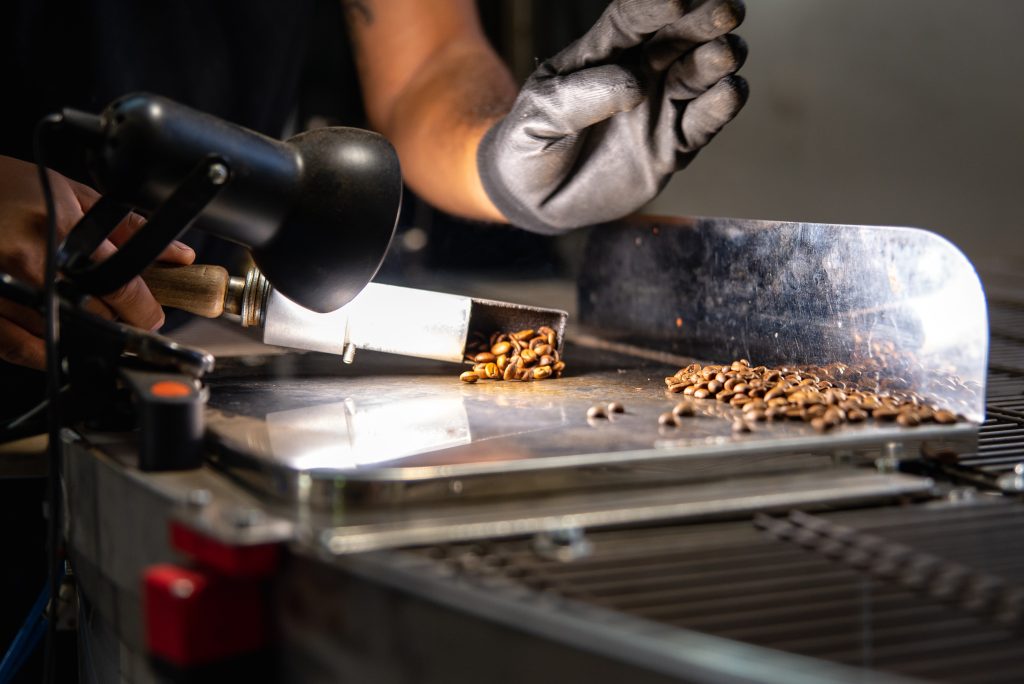
The third way is a coffee experience that combines quality, traceability and professional roasting with a taste profile that remains pleasant, balanced and easy to appreciate.
A premium coffee experience should not speak only to coffee experts. It should speak to real customers: people who want quality, but also pleasure, clarity and consistency.
The future of coffee is not about making coffee more complicated, it’s about making quality more meaningful.
Traceability as a business tool
For many years, coffee blends were built around generic origins and standardized flavour profiles.
Today, the most forward-thinking businesses need the opposite transparency.
They need to know where the coffee comes from, who produced it, how it was selected and why it fits their positioning.
Traceability is no longer only an ethical or technical value, it’s also a commercial and experiential tool.
It gives the barista something real to communicate, to the customers a reason to perceive value and to the business a story that cannot be copied.
Mokaflor Farm: the same philosophy in the cup
This is the idea behind Mokaflor Farm.
Mokaflor Farm was created to build a bridge between the people who grow coffee and the people who drink it every day in coffee shops, restaurants and hospitality spaces.
The project was born from a clear need: to move beyond anonymous coffee without creating a product that feels too distant from everyday consumption.
In a market often divided between generic commercial blends and very complex specialty coffees, Mokaflor Farm represents a more balanced approach.
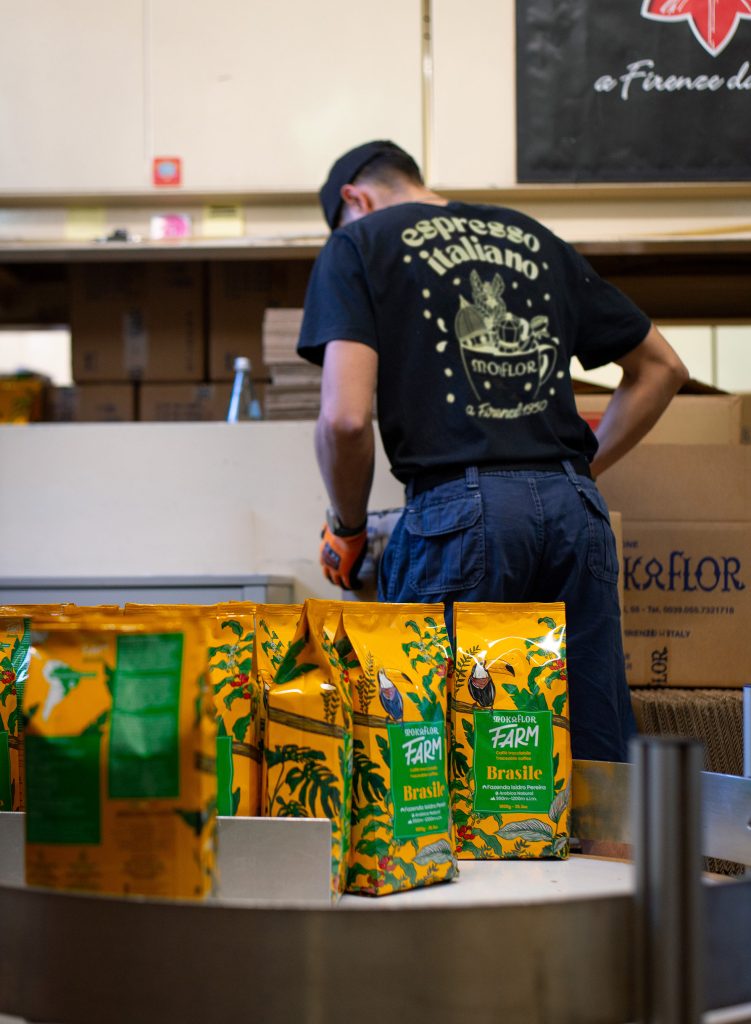
It combines selected origins, full traceability, professional roasting and a taste profile designed for everyday espresso consumption.
The goal is not to create a coffee only for experts, but a coffee that brings quality, transparency and identity into the daily experience of a café, restaurant or hospitality business.
Why training completes the system
A strong coffee identity does not depend only on the product: it also depends on the people who serve it.
This is why training is essential.
Through our academy, Mokaflor supports businesses in creating a shared coffee method: from extraction standards to sensory awareness, from barista technique to customer storytelling.
Training helps transform coffee from a product into a consistent experience.
The future of coffee is experience
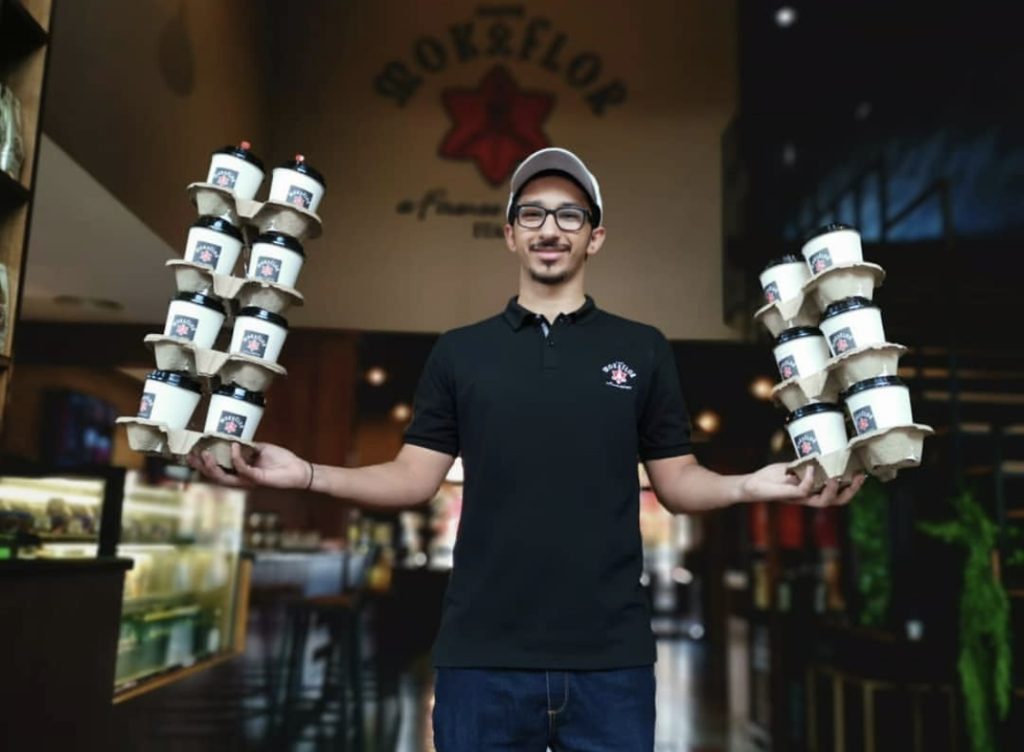
The Manama case shows what happens when coffee is treated not as a supply, but as a strategic asset.
Coffee becomes part of the place, part of the story, part of the positioning, part of the reason customers remember the experience.
And this is where the coffee market is going.
Finally customers are more attentive to quality, also they are more sensitive to authenticity and more interested in stories, origins and transparency. But of course they still want coffee to be enjoyable.
The strongest opportunity today is not to make coffee more complicated: it’s to make quality more accessible, more understandable and more connected to the overall experience.
For coffee shops, hotels, restaurants and premium hospitality brands, coffee can no longer be treated only as a product to serve.
And in a market where many offers look the same, identity is what makes the difference.